Porta Potty Sanitation Standards in Philadelphia
Sanitation comes down to two things: how often a unit is serviced and what’s included inside it between visits. Here’s what actually keeps a rental unit sanitary through a rental period.
What Servicing Actually Involves
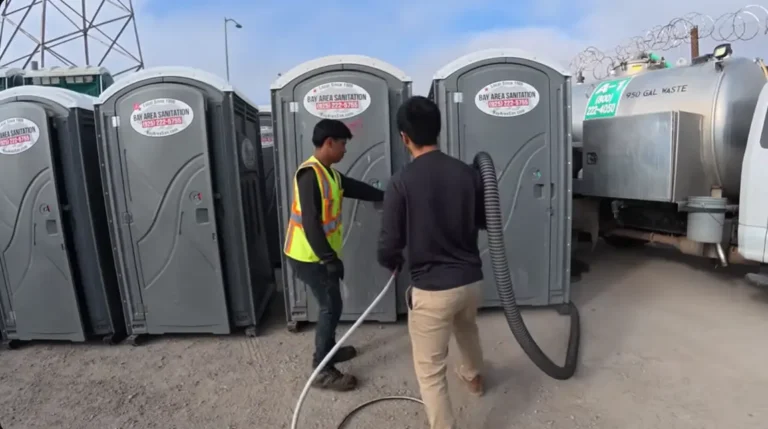
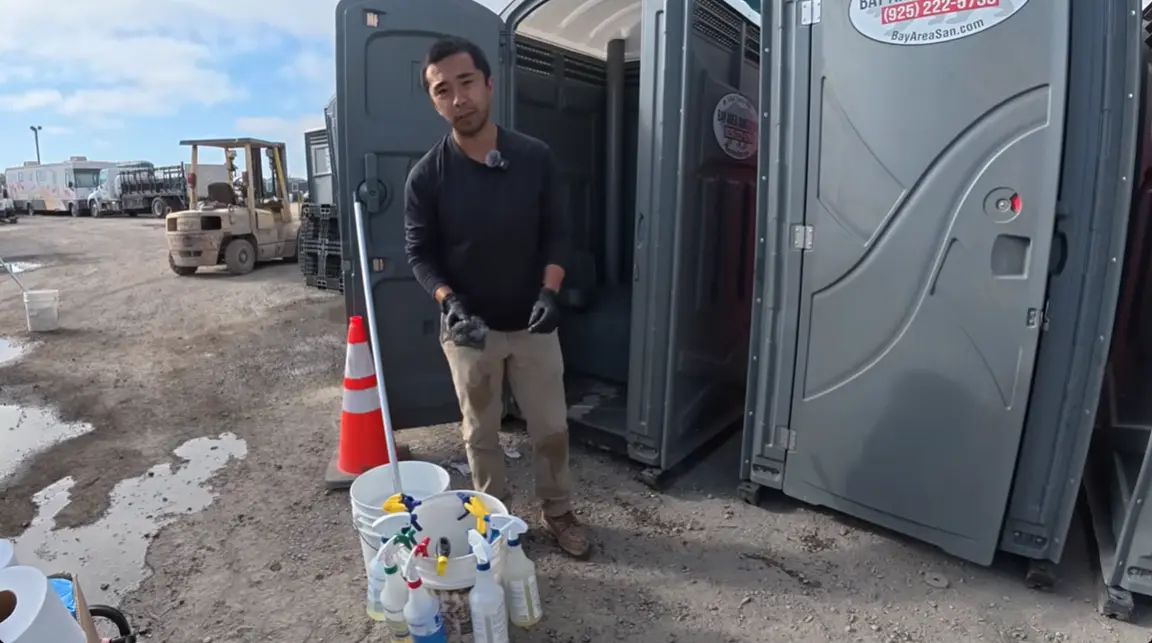
A standard servicing visit empties the waste tank, refills the flush or sanitizer supply, restocks toilet paper, and cleans the interior surfaces before the crew leaves the site.
What happens during a typical servicing visit?
The waste tank is emptied, supplies like toilet paper and hand sanitizer are restocked, and interior surfaces are cleaned before the crew moves to the next stop.
How Servicing Frequency Affects Cleanliness
A unit serviced weekly for a small crew stays sanitary between visits under normal use. Higher traffic situations need more frequent servicing to keep pace with actual use.
Does a higher traffic event need more frequent servicing than a small job site?
Yes, usage volume drives how often a unit needs servicing to stay sanitary, which is why event bookings and larger crews often need a tighter schedule than a small renovation project.
Is hand sanitizer enough, or is a handwashing station needed too?
Hand sanitizer covers basic needs for most rentals. Food service situations or health code specific requirements often call for an actual handwashing station instead.
Is there a legal minimum for how often a porta potty must be serviced?
Yes, Philadelphia requires residential units to be serviced at least every 48 hours under Department of Public Health rules.
What signs mean a unit needs service before its next scheduled visit?
Strong odor buildup, a tank getting close to full, or running out of supplies are the main signs that a visit should be requested ahead of schedule.
What’s Included for Hygiene Between Visits
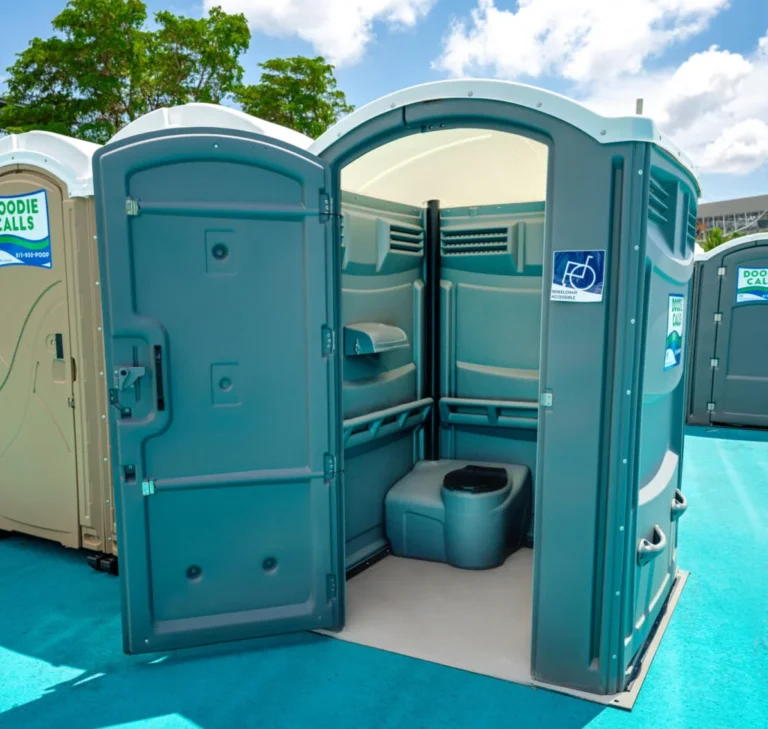
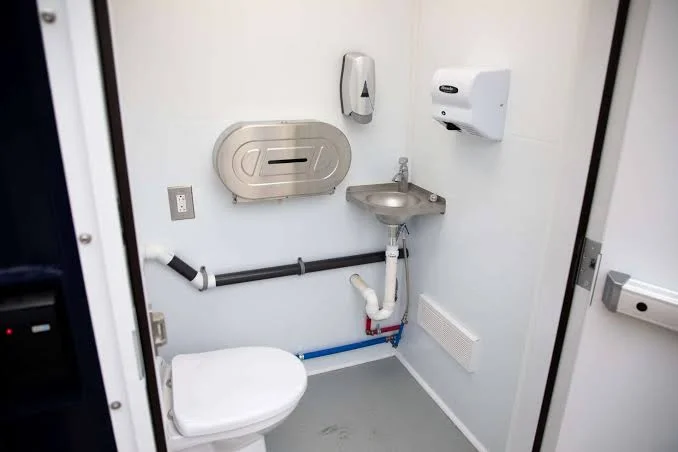
Every unit includes a hand sanitizer dispenser as a baseline. Deluxe units add a flush function, and a handwashing station can be added for actual soap and water access.
Philadelphia Health Code and Servicing Requirements
Philadelphia’s Department of Public Health requires residential portable toilet units to be serviced at least every 48 hours, a baseline that applies regardless of how light or heavy actual usage is.
Signs a Unit Needs Servicing Sooner Than Scheduled
Strong odor, a waste tank nearing capacity, or running low on toilet paper are signs a unit may need attention before its next scheduled visit.
Frequently Asked Questions
Request a free quote and get a servicing schedule matched to your actual usage.